Article
Jan 12, 2026
Special Situations Financing: How Non-Performing Notes & Distressed Assets Create Opportunity
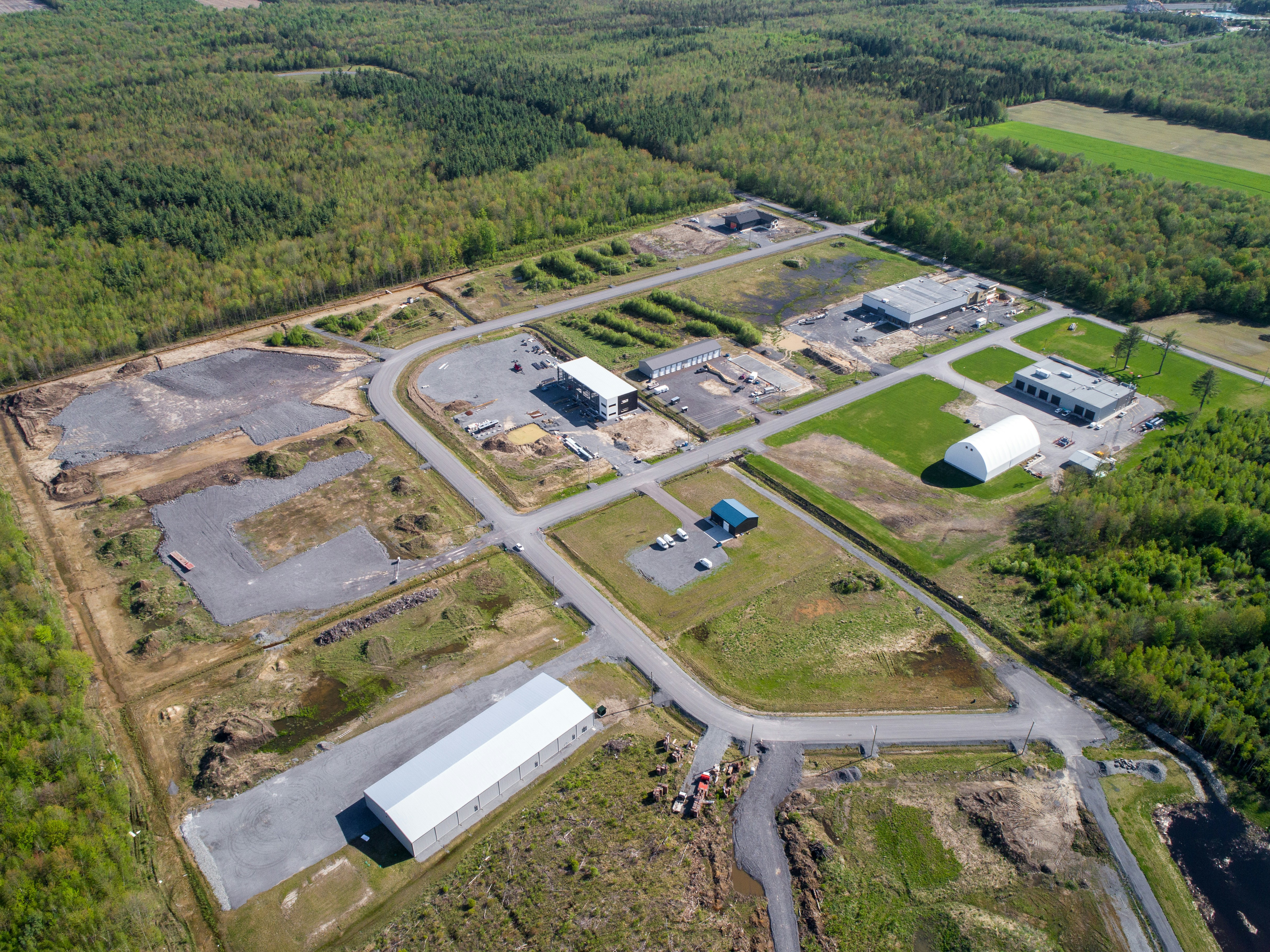
In the commercial real estate market, "special situations" is a catch-all term for deals that don't fit traditional lending boxes. A non-performing note (NPN) on mixed-use land. A judgment lien on a partially-improved development site. A master-planned community bridge with marina infrastructure. A fully-leveraged property facing refinancing distress.
To most lenders, these are problems. To specialized private credit funds, they're opportunities.
In 2025, as $1–2 trillion in CRE debt matures and sponsor balance sheets face refinancing pressure, special situations financing has become a critical capital source. Lenders who specialize in distressed assets, complex structures, and creative solutions are closing deals that others won't touch. For brokers, advisors, and sponsors, understanding this corner of the market is increasingly important.
This article explores the landscape of special situations financing, why traditional lenders avoid it, how private capital is stepping in, and what it means for navigating distressed assets in 2025.
What Are Special Situations in CRE Finance?
Special situations financing covers a range of non-vanilla deals:
1. Non-Performing Notes (NPNs)
Definition: A mortgage note (debt obligation) secured by real estate where the borrower is no longer paying. The note may be with a bank, private lender, or other entity. The current holder (often a hedge fund or opportunistic buyer) wants to monetize or work out the asset.
Why It Exists: When a borrower defaults, the lender has a choice: foreclose (time-consuming, costly) or sell the note at a discount to a buyer who specializes in recovery or asset liquidation. The buyer becomes the new lender/note holder.
Example: Mixed-use land in DFW market with performing note generates $X/month. Borrower hits trouble (construction delays, market shift), note becomes non-performing. Original lender sells note at 60¢ on the dollar to a specialized buyer. New buyer can either force workout, restructure, or foreclose and take title.
C2R Capital acquired an NPN on fully entitled mixed-use land in DFW (Carrollton Gateway). The land itself was solid; the borrower hit a speedbump. C2R evaluated the land value, restructured the note, and got the deal back to performing.
2. Judgment Liens
Definition: A court judgment against a borrower becomes a lien on their property. The judgment creditor (or a subsequent buyer of the judgment) can use the lien to force sale or collect if property is sold.
Why It Exists: Unsecured creditors (contractors, suppliers) sometimes obtain judgments. These judgments can be sold like liens. A specialized buyer can then pursue collection or negotiate a settlement.
Example: Self-storage development site in Houston. General contractor files judgment for unpaid work. Judgment becomes a lien on the land. A private lender could acquire or work with the judgment lien to either: (a) refinance the primary debt and clear the judgment, (b) negotiate a settlement, or (c) take title.
C2R funded a judgment lien purchase on a partially-improved self-storage development site (City Park Self Storage, Houston). The underlying real estate was valuable; the judgment lien was the lever to unlock a capital structure.
3. Distressed Ownership / Workouts
Definition: A property owner is in financial distress (underwater, facing foreclosure, unable to refinance) and needs capital to stabilize, recapitalize, or work out.
Why It Exists: Market downturns, borrower missteps, or construction overruns can leave a sponsor overleveraged or in default. They need creative capital to either hold on or exit.
Example: Multifamily property 90% occupied, strong cash flow, but underwater due to acquisition at peak prices. Owner can't refinance (LTV > 70%). Private lender steps in with a mezzanine or pref equity position to recapitalize, reduce senior debt, or bridge to stabilization.
4. Complex Collateral Structures
Definition: Deals with multiple collateral layers (senior note + second lien + equity kicker) or mixed collateral types (land + buildings + equipment + revenue streams).
Why It Exists: Sponsors sometimes need to combine multiple sources of capital or collateral to make a deal work.
Example: Master-planned community with land, buildings under construction, and marina infrastructure. Financing might require: senior lender on land, mezz lender on improvements, and separate financing on marina revenue stream. This complexity is normal in large projects; traditional banks can't handle it.
5. Portfolio Acquisitions & NPL Bulk Sales
Definition: A bank or servicer sells a portfolio of distressed loans (often at discount) to a private buyer who manages the portfolio for recovery or stabilization.
Why It Exists: Large portfolios of NPLs become expensive to service. Sellers prefer lump-sum bulk sales.
Example: Regional bank holds a portfolio of $50M in distressed commercial loans post-COVID. Rather than manage the portfolio, bank sells to private lender at 65–75¢ on the dollar. New owner now manages the portfolio for recovery.
Why Traditional Lenders Avoid Special Situations
Banks and traditional lenders shy away from special situations for several reasons:
1. Regulatory Complexity
Non-performing notes, workout loans, and distressed acquisitions create regulatory complications for banks:
Allowances for credit losses (CECL) require banks to model recovery scenarios
Appraisal requirements may be unclear (what is a non-performing asset worth?)
Relationship-banking rules might restrict a bank's ability to buy or sell distressed debt from/to other banks
Reputational risk: aggressive workout or foreclosure practices can draw regulatory scrutiny
Private lenders have no such constraints.
2. Credit Committee Friction
A traditional bank's credit committee is tasked with approving loans, not acquiring distressed debt or managing complex workouts. The approval process for special situations deals is murkier, often requiring multiple layers of review.
Private lenders, focused on risk/return rather than regulatory approval, make faster decisions.
3. Servicing Burden
Distressed assets require active management: workouts, regulatory compliance, potential litigation, asset recovery. Banks prefer passive investments (collect payments, hold to maturity). Private lenders are willing to actively manage.
4. Return Thresholds
Banks operate on thin margins: 3–5% net spread on prime loans. Special situations require higher returns (8–15%+) to justify the work and risk. Banks often can't justify the effort for those return thresholds.
Private lenders target 10–15%+ returns and see special situations as fitting that profile.
How Private Lenders Approach Special Situations
Specialized private credit funds evaluate special situations differently than traditional banks:
1. Asset-First Underwriting
Traditional Bank Approach: "Is the borrower creditworthy? What's their balance sheet? Can they pay?"
Private Lender Approach: "What is the underlying asset worth? How do we recover capital through asset sale or restructure?"
For a non-performing note on land, a private lender asks: What is the land worth today? What is it worth in a stabilized scenario? How do we get from here to there? The current borrower's distress is almost secondary; it's the asset that matters.
Example: NPN on mixed-use land in DFW. Borrower is in trouble, but the land is fully entitled and market-strong. Private lender calculates: land is worth $50M stabilized. NPN is worth $30M. Gap is $20M of opportunity. Private lender can: acquire the note, work out borrower, take title, and realize the gap. Or, restructure the note and earn 12% yield while asset stabilizes. Either way, asset value drives the decision.
2. Multiple Exit Scenarios
Banks underwrite one scenario: borrower pays on time, loan performs.
Private lenders underwrite three scenarios:
Scenario A (Base Case): Borrower stabilizes, loan performs, generate 10% yield
Scenario B (Workout): Borrower struggles, restructure note, extend term, increase rate to 12%+, reduce capital
Scenario C (Liquidation): Take title, manage asset, force sale, recover via asset appreciation
All three scenarios should generate acceptable returns. If only Scenario A works, deal is too dependent on one outcome.
3. Creative Structuring
Special situations often require non-vanilla structures:
Equity Kicker: Instead of just interest, take 5–10% equity upside if asset appreciates
Workout Terms: Extend amortization, reduce principal, adjust rate, allow payment deferral short-term
Phased Recovery: Restructure debt in phases based on asset stabilization milestones
Co-Ownership: Work with borrower on equity partnership to align incentives
Banks can't offer these structures; private lenders thrive on them.
4. Specialized Asset Expertise
The best special situations lenders have deep expertise in specific asset classes or situations:
NPN specialists: Understand note law, workout economics, recovery timelines
Land specialists: Value land through multiple market cycles, understand entitlement risk
Workout experts: Have relationships with servicers, attorneys, other lenders
Portfolio managers: Manage diverse distressed portfolios for risk/return optimization
This expertise allows them to take on risk others won't.
Special Situations Deal Types: Where Private Capital Shines
Type 1: The Refinancing Wall Deal
Scenario: A sponsor acquired a multifamily property 3 years ago at high leverage. Asset performs well, but original 5-year loan is now maturing. Market rates have risen; LTV has increased due to debt paydown being offset by market value stagnation. Sponsor can't refinance with a traditional lender at acceptable terms.
Private Lender Solution: Acquisition bridge at 70–75% LTV (above standard bank 65%) with a 2–3 year term. Sponsor has breathing room while market stabilizes. Exit: refinance with bank or hold longer.
Return Profile: 9–11% yield; capital certainty on refinancing risk
Example: C2R has funded multiple refinancing-wall deals where banks had tightened LTVs and the sponsor needed bridge capital to bridge to better market conditions.
Type 2: The Distressed Property Pickup
Scenario: Property was recently foreclosed or is in distress. New owner (often a private buyer or VC) wants to stabilize and reposition. Traditional bank won't lend to new owner (credit history thin, or asset distressed). Buyer needs acquisition + stabilization capital.
Private Lender Solution: Acquisition bridge at 60–70% LTV with flexible terms on stabilization timeline. Lender may take small equity kicker for upside participation.
Return Profile: 10–14% yield + equity kicker potential
Example: C2R structures deals for sponsors taking on distressed assets, providing the capital to get from distressed entry to stabilized exit.
Type 3: The Note Acquisition
Scenario: Bank or current note holder wants to sell a distressed or performing note at discount. Buyer (private lender or operator) wants to acquire.
Private Lender Solution: Buy note at discount, manage for recovery or workout. Can either:
Hold and collect: Generate 10–15% yield as note performs
Restructure: Modify terms, extend, reduce principal, take equity upside
Foreclose: Take title if needed; monetize through asset sale or refinance
Return Profile: 8–15% yield depending on recovery scenario; equity upside potential
Example: C2R acquired an NPN on mixed-use land. Evaluated the asset, determined land value supports structured recovery, and acquired. Asset now stabilizing; C2R is earning yield and building equity appreciation.
Type 4: The Judgment Lien Acquisition
Scenario: Judgment creditor or judgment lien holder wants to monetize. Buyer is willing to pay to clear the lien and refinance or take title.
Private Lender Solution: Acquire judgment lien and use it as leverage to:
Refinance senior debt (clear judgment in process)
Negotiate settlement with judgment holder (clear for discount)
Take title if needed
Return Profile: 12–18% yield on lien acquisition; potential for asset uplift if title is taken
Example: C2R funded a judgment lien purchase on a self-storage development site (Self Storage, Houston). Lien became leverage point to unlock capital structure and move project forward.
Type 5: The Portfolio Acquisition
Scenario: Bank or servicer wants to offload a portfolio of distressed loans. Buyer wants to acquire portfolio for recovery or management.
Private Lender Solution:
Negotiate bulk purchase price (typically 60–80¢ on the dollar)
Segregate portfolio into buckets (strong, moderate, weak recovery probability)
Allocate capital to workout/recovery efforts based on expected returns
Recover capital through loan performance, workouts, or asset sales
Return Profile: Blended 8–12% yield across portfolio; some deals perform, some recover via workout, some liquidate
Example: Not all portfolios make sense; private lenders cherry-pick based on geography, asset class expertise, and recovery team capacity.
Common Pitfalls in Special Situations
1. Overstating Asset Recovery
Broker: "Land is worth $50M; acquisition was $30M; you'll recover easily."
Reality: Land may be worth $50M in perfect conditions (5 years out). Today, it's $35M. And litigation, entitlement issues, or market shifts could further reduce value.
Lesson: Use conservative forward values. Special situations require margin of safety.
2. Underestimating Borrower Cooperation Risk
Lender assumes borrower will cooperate in restructure. Borrower refuses. Lender forced into foreclosure (costly, time-consuming).
Lesson: Special situations lenders must have legal/operational infrastructure to handle uncooperative borrowers. Not all lenders do.
3. Ignoring Market Risk
Lender estimates land will sell for $50M in 2 years. Market crashes. Land is worth $30M.
Lesson: Special situations returns must account for market volatility. Higher returns compensate for risk.
4. Missing Senior Lender Dynamics
NPN buyer acquires note but forgets: senior lender (on first lien) might accelerate or foreclose, wiping out junior position.
Lesson: Understand entire capital stack before acquiring distressed debt.
The 2026 Special Situations Market
In 2026, several trends shape special situations financing:
1. Office Distress is Creating Opportunity
Office property distress (remote work impacts, high vacancy) is creating NPL opportunities. Lenders who can acquire office NPNs or distressed office properties and reposition them have capital access.
2. Refinancing Wall is Peak Special Situations Season
$1–2 trillion in CRE debt maturing through 2026 = massive special situations pipeline. Sponsors who can't refinance become candidates for workouts, mezzanine picks, or debt-for-equity swaps.
3. Portfolio Sales are Accelerating
Banks and servicers offloading distressed portfolios. Private lenders with portfolio management expertise are acquiring for recovery.
4. Private Equity is Getting Active
Mega PE firms (Carlyle, Apollo, Blackstone) are raising special situations / distressed real estate funds. They have capital, they have expertise, and they're buying (and competing with boutique lenders).
5. Mezzanine & Pref Equity Structures are Evolving
Creative structures (mezz + equity kicker, pref equity with workout features) are becoming standard. This blurs the line between debt and equity, creating flexibility for distressed situations.
Conclusion: Special Situations as Strategic Advantage
In 2025, special situations financing is not a niche category. It's a core part of the CRE capital ecosystem. Lenders who can evaluate distressed assets, structure creative workouts, and manage risk across diverse situations are accessing deal flow and returns that others can't.
For brokers, advisors, and sponsors, understanding this corner of the market is increasingly valuable. Deals that banks won't touch often have the best risk/reward profiles—if you know how to position them.
C2R Capital specializes in special situations financing: non-performing notes, judgment lien acquisitions, distressed property bridges, and complex multi-lien structures. We deploy capital $2–20M on deals that traditional lenders pass on. We close in 10–14 days and manage for value recovery. If you have a special situations deal—distressed asset, non-performing note, or complex capital stack—reach out. We're here to unlock capital where others see barriers.
/ Have a deal ready for review?
We're deploying our $100 million fund in Q1 '26.
Have your deal reviewed within 72 hours by our decision-makers.